Global mountain snow and ice loss driven by dust and black carbon radiative forcing
Abstract:
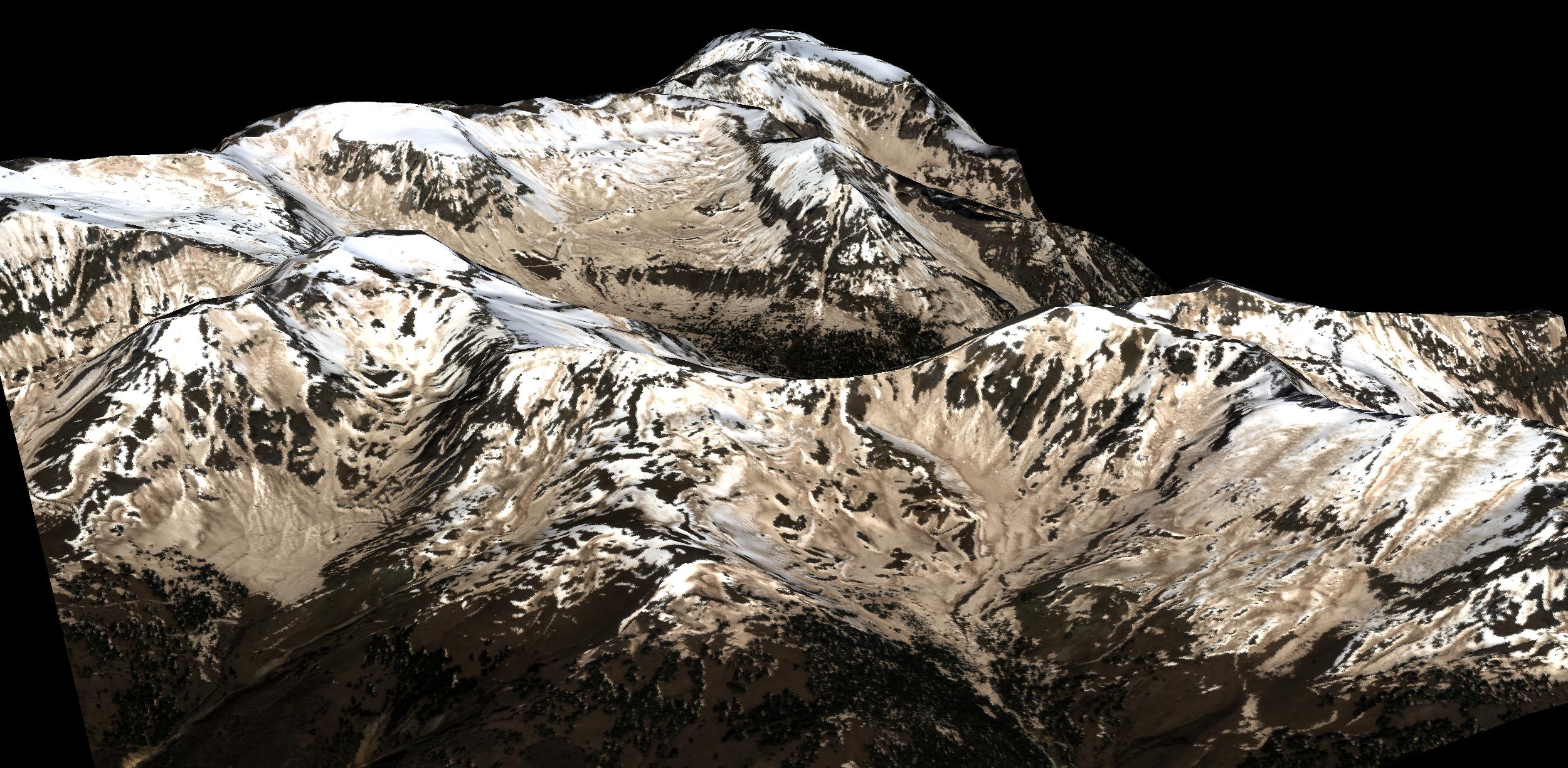
In the Rocky Mountains, dust deposition has increased 5 to 7 fold in the last 150 years, leading to ~3 weeks earlier loss of snow cover from forced melt. In absolute terms, in some years dust radiative forcing there can shorten snow cover duration by nearly two months. Remote sensing retrievals are beginning to reveal powerful dust and black carbon radiative forcing in the Hindu Kush through Himalaya. In light of recent ice cores that show pronounced increases in loading of dust and BC during the Anthropocene, these forcings may have contributed far more to glacier retreat than previously thought.
For example, we have shown that the paradoxical end of the Little Ice Age in the European Alps beginning around 1850 (when glaciers began to retreat but temperatures continued to decline and precipitation was unchanged) very likely was driven by the massive increases in deposition to snow and ice of black carbon from industrialization in surrounding nations.
A more robust understanding of changes in mountain snow and ice during the Anthropocene requires that we move past simplistic treatments (e.g. temperature-index modeling) to energy balance approaches that assess changes in the individual forcings such as the most powerful component for melt – net solar radiation. Remote sensing retrievals from imaging spectrometers and multispectral sensors are giving us more powerful insights into the time-space variation of snow and ice albedo.