The Energetic Particle Detector (EPD) for Solar Orbiter – Sensor Status and Calibration
The Energetic Particle Detector (EPD) for Solar Orbiter – Sensor Status and Calibration
Abstract:
Solar Orbiter will solve the puzzle how the Sun creates and controls the heliosphere, the giant plasma bubble which forms as a result of the interaction of the solar wind with the local interstellar medium. Energetic particles are part of this puzzle and help understand the various driving forces and energy release processes in the solar corona. The Energetic Particle Detector (EPD) will determine how the Sun energizes particles to very high energies and sometimes
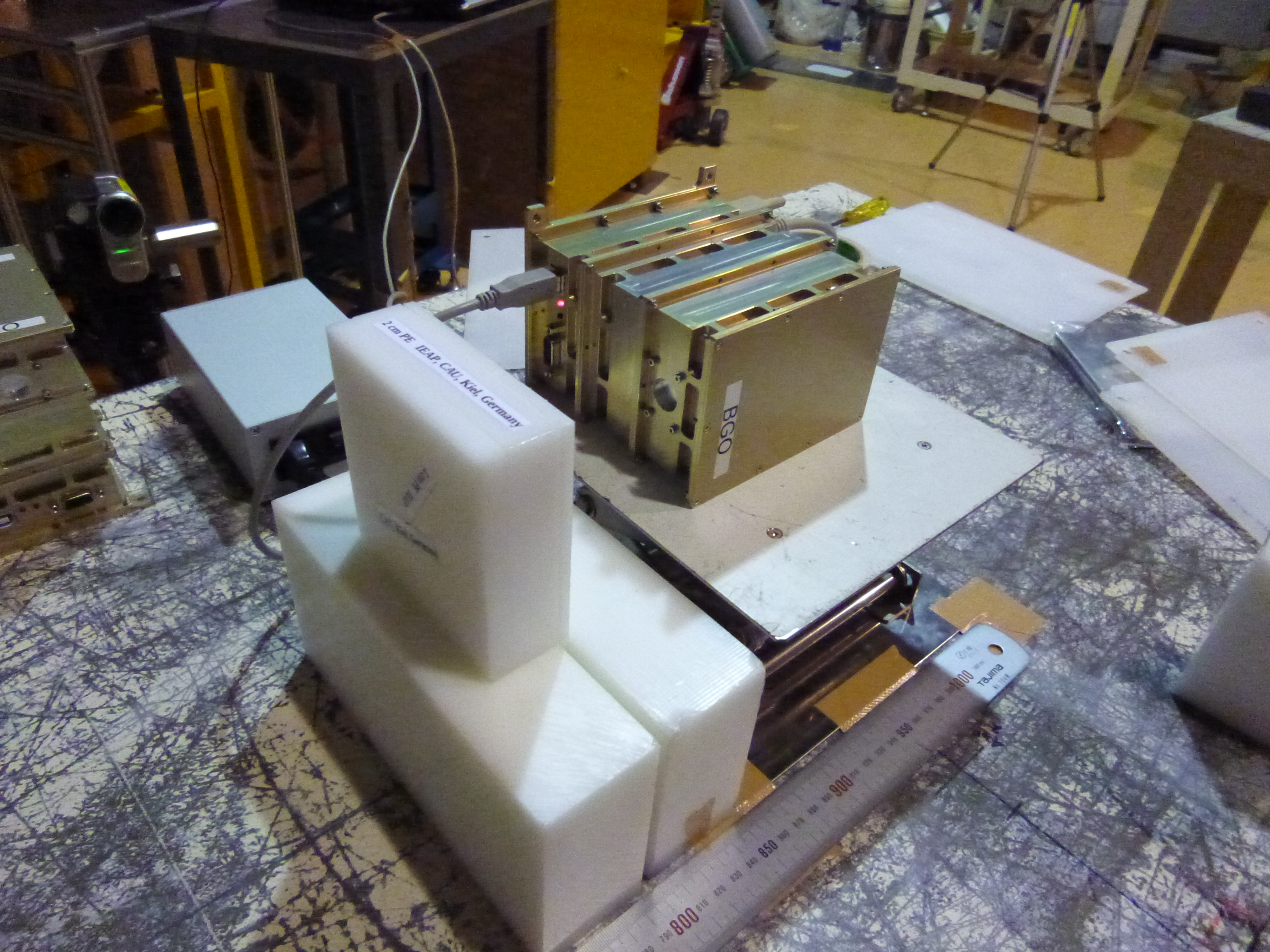
fills the heliosphere with particle radiation. It consists of a suite of sensors which will measure protons (electrons) from 3 (2) keV up to 100 (20) MeV and ions from few tens of keV/nuc to 200 MeV/nuc. We will discuss the scientific aims of EPD as well as the current status and calibration of the EPD sensor (STEP, EPT, SIS, HET).