
 Google
 Yelp
 Facebook
 Twitter
 ChEnected
466110 The Influence of Dissociation Constants on the Kinetics of Carbon Dioxide Absorption in Aqueous Tertiary Amines Solutions Containing Carbonic Anhydrase
American Institute of Chemical Engineers (AIChE) Annual Meeting
The influence of dissociation constants on the kinetics of carbon dioxide absorption in aqueous tertiary amines solutions containing carbonic anhydrase
Bin Liua, Xiao Luoa*, Zhiwu Lianga,b*, Paitoon Tontiwachwuthikula,b*
aJoint International Center for CO2 Capture and Storage (iCCS), Hunan Provincial Key Laboratory for Cost-effective Utilization of Fossil Fuel Aimed at Reducing CO2 Emissions, College of Chemistry and Chemical Engineering, Hunan University, Changsha 410082, PR China
bClean Energy Technologies Research Institute (CETRI), Faculty of Engineering and Applied Science, University of Regina, Regina, Saskatchewan, S4S 0A2, Canada
Keywords: Tertiary amines; CO2 absorption; carbonic anhydrase
* Author for correspondence: Dr. Zhiwu Liang E-mail: zwliang@hnu.edu.cn
Tel: +86-13618481627 and +86-73188573033
ABSTRACT
The chemical absorption of CO2 into primary amine and secondary amine, such as monoethanolamine (MEA), diethanolamine (DEA), is currently the most widely accepted commercial approach to carbon capture.[1] This solvent is extremely effective in forming stable carbamates when reacted with CO2, leading to a very efficient removal of CO2 with a 2:1 reaction stoichiometry.[2,3] However, regeneration of the carbamate species requires a large parasitic supply of energy to release the CO2 during stripping.[1] This high energy requirement accounts for up to 80% of the operating costs for CO2 capture and recovery.[4] It is also a highly corrosive substance that readily undergoes degradation in the presence of oxygen, emitting harmful volatile organic compounds.[5]
Considering the high absorption heat and high energy consumption during CO2 capture process, there are a number of tertiary amines such as methyldiethanolamine (MDEA), dimethylaminoethanol (DMEA), in place of primary and secondary amine for carbon capture. While many of tertiary amines solvents are able to reduce the stripping energy requirement, the reaction rate for CO2 sorption in the absorber is often slow. This means that it is not possible to recover high purity carbon dioxide within a reasonable column height. Carbonic anhydrase (CA), a naturally occurring enzyme and very efficient catalyst that enhances the reversible reaction of CO2 to HCO3- , was first identified in 1933 in red blood cells and known to catalyze the conversion of CO2 into bicarbonate (HCO3-) at extremely high turnover rates, [6−7] which may be useful for promoting the absorption rates of CO2 from gas streams when these alternative solvents are used. There is great potential for using CA to hydrate CO2, especially when it is known that the hydration step is the rate determining step in the CO2 absorption process. Carbonic anhydrase is not just a single enzyme form, but a broad group of zinc metallo-proteins (enzymes) that exists in three genetically unrelated families of isoforms (¦Á, ¦Â and ¦Ã). Its catalyzed mechanism of CO2 hydration has been introduced by Lindskog et al. [6-7] and simplified as shown in Figure 1. Penders et al. [8] has been working on CO2 absorption into amine solutions catalyzed by human carbonic anhydrase in string cell reactor since 2012. This work focuses on the study of effect of dissociation constants (pKa) on the kinetics of carbon dioxide absorption in aqueous tertiary amines solutions containing carbonic anhydrase at various temperature using stopped-flow techniques. The examined alkanolamines were (Figure 2): Triethanolamine (TEA), Methyldiethanolamine (MDEA), Dimethylethanolamine (DMEA), 2-(Diethylamino)ethanol (DEEA), 1-Diethylamino-2-propanol (1DEA-2P), 3-Diethylamino-1-propanol (3DEA-1P) and 2-(Dimethylamino)isobutanol (2DEA-2M-1P). The values of pKa of different amine was determined using conventional pH method as shown in Figure 3 and its final results was presented a function of temperature in Figure 4.
It can be seen from the results (Figure 5) that DMEA with a higher pKa value than MDEA and TEA hence showed a higher reactivity with carbon dioxide in the absence of enzyme. It can also been found that the reaction rate constant (k0) in amine-CO2-H2O system was significantly enhanced in the present of BCA, in which the enzyme activity is higher in TEA solutions. This is because Enzymes often display a pH-dependent changes in activity, in characterizing the pH dependence of the enzyme activity, the experimenter often observes a bell-shaped curve in plot of activity versus pH or s-shaped curves in plots of activity versus pH (either falling from optimal activity or rising to optimal activity) with an inflection point at some pH value. This result would provide a useful information to understand the reaction activity of CO2 absorption into various amines system.
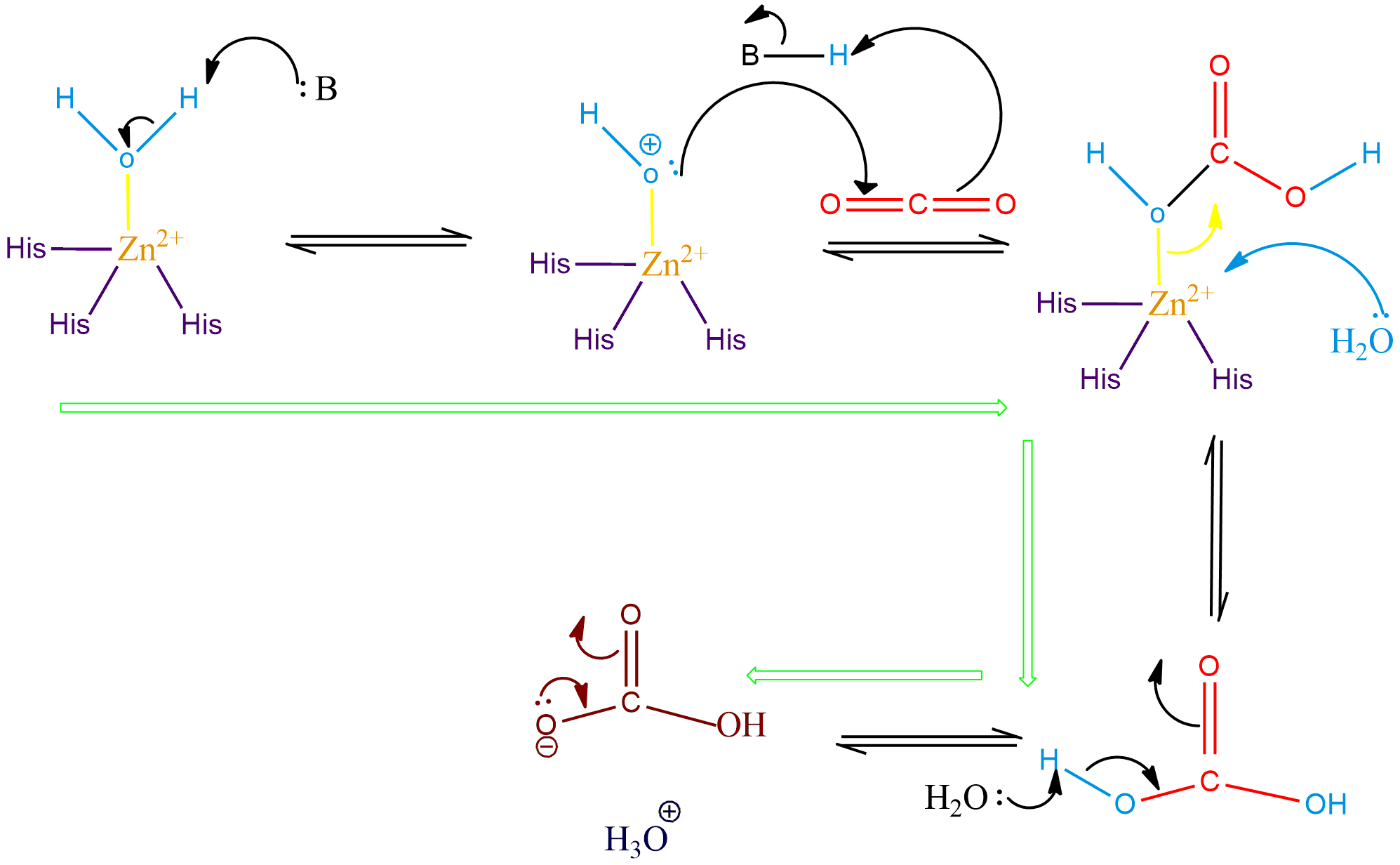
Figure 1. The catalytic Mechanism of enzyme in aqueous solutions
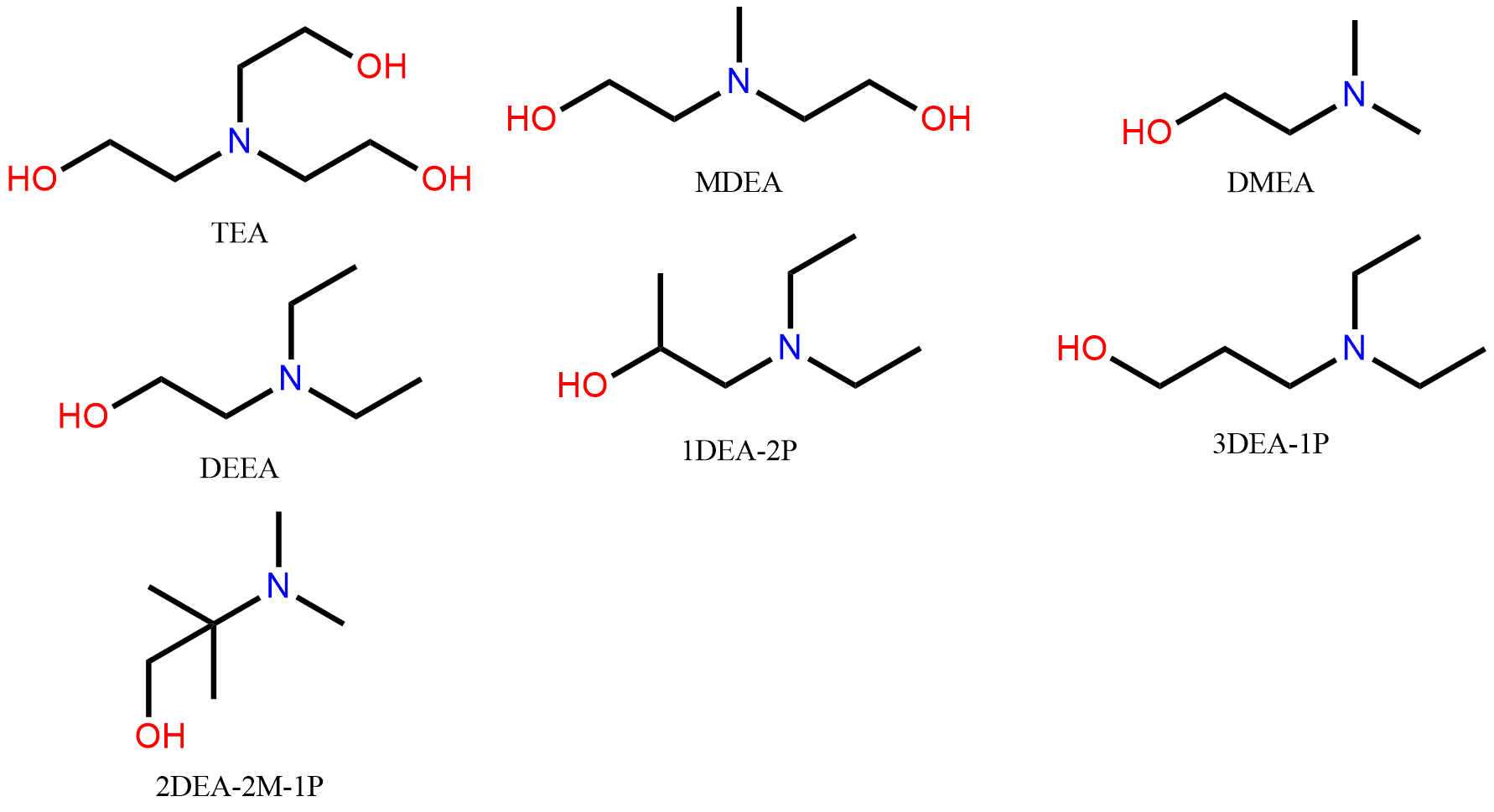
Figure 2. The chemical structure of amines studied in this work
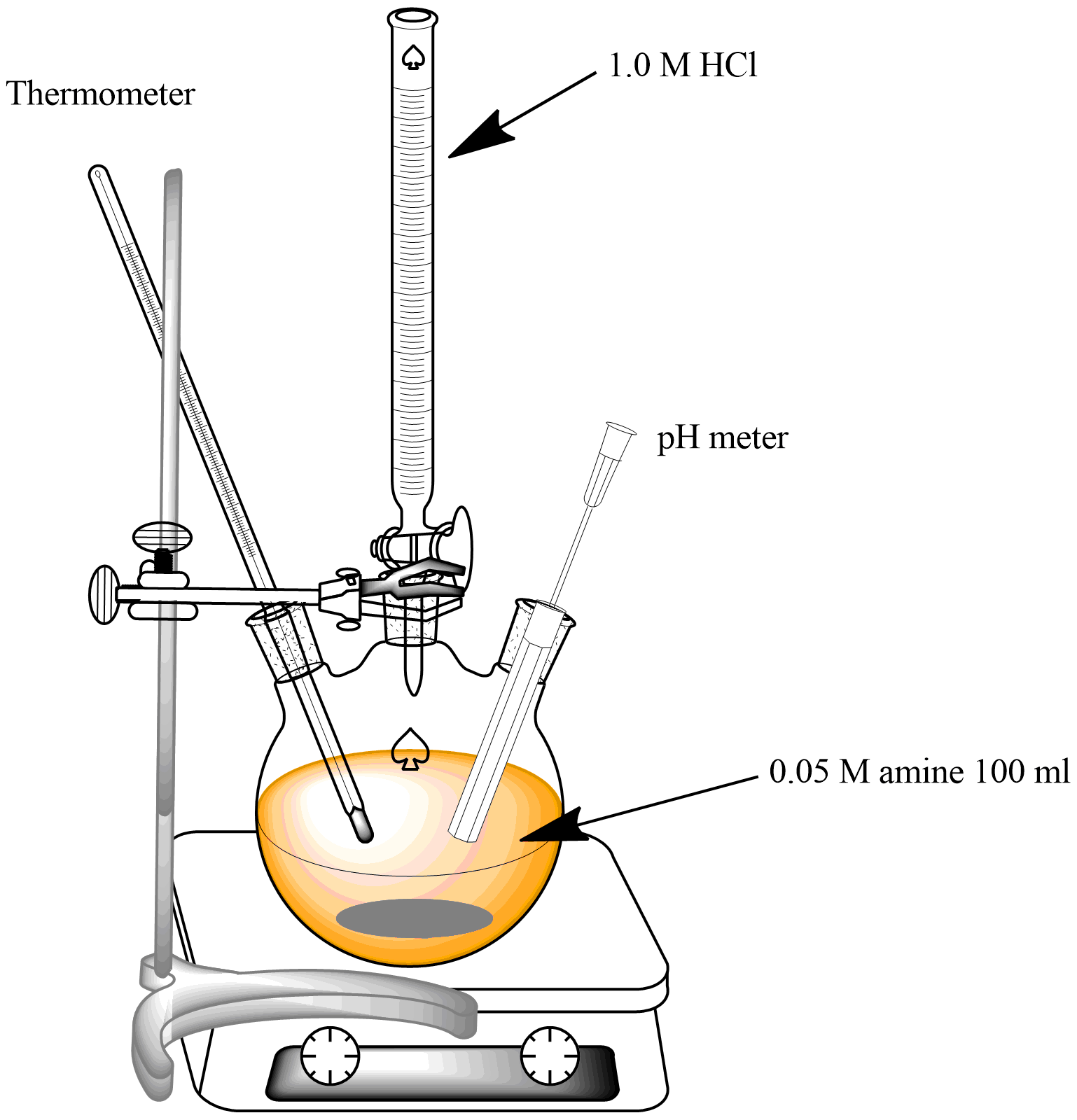
Figure 3. String cell for determination of amine pKa
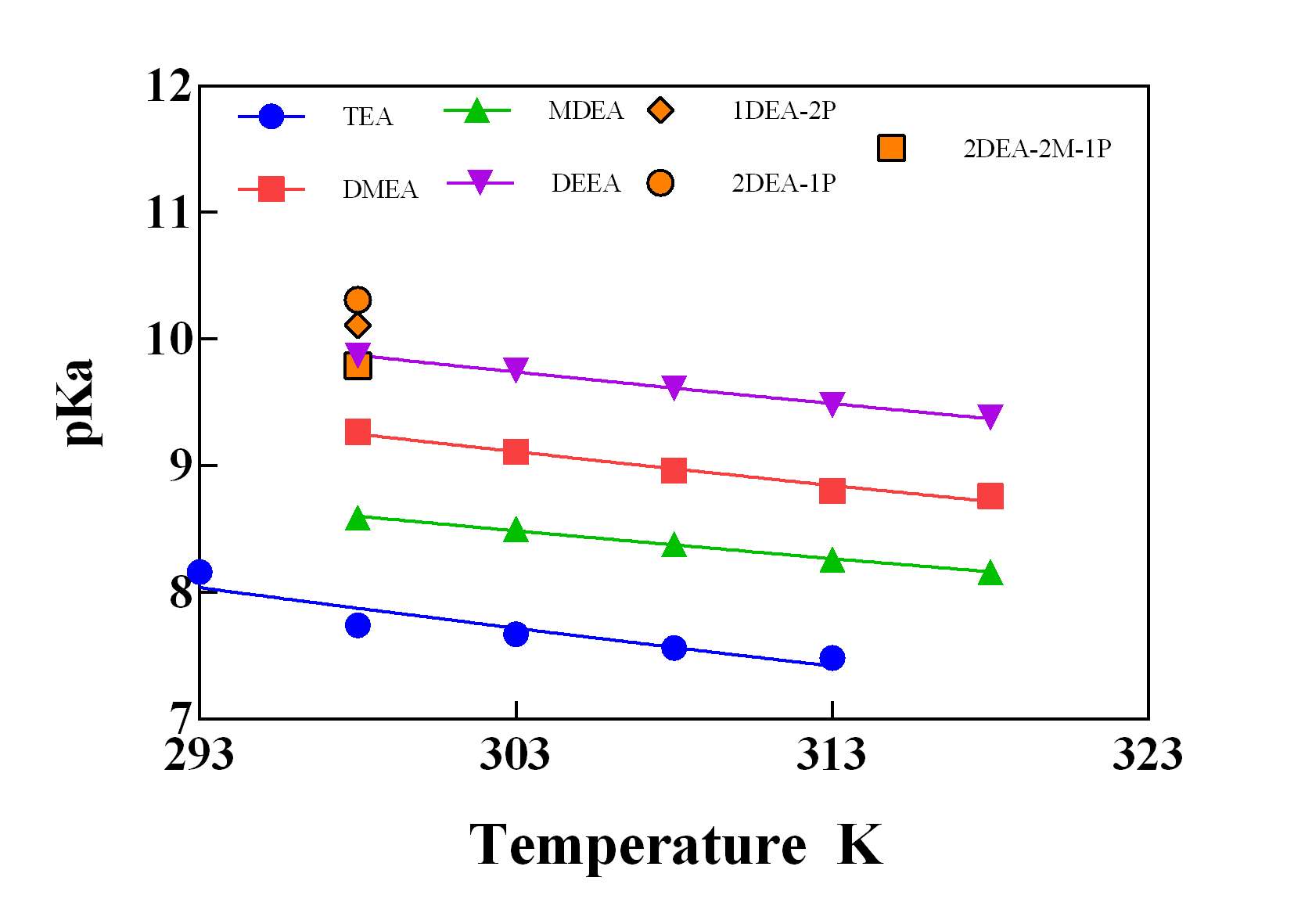
Figure 4. The dissociation constants show as a function of temperature
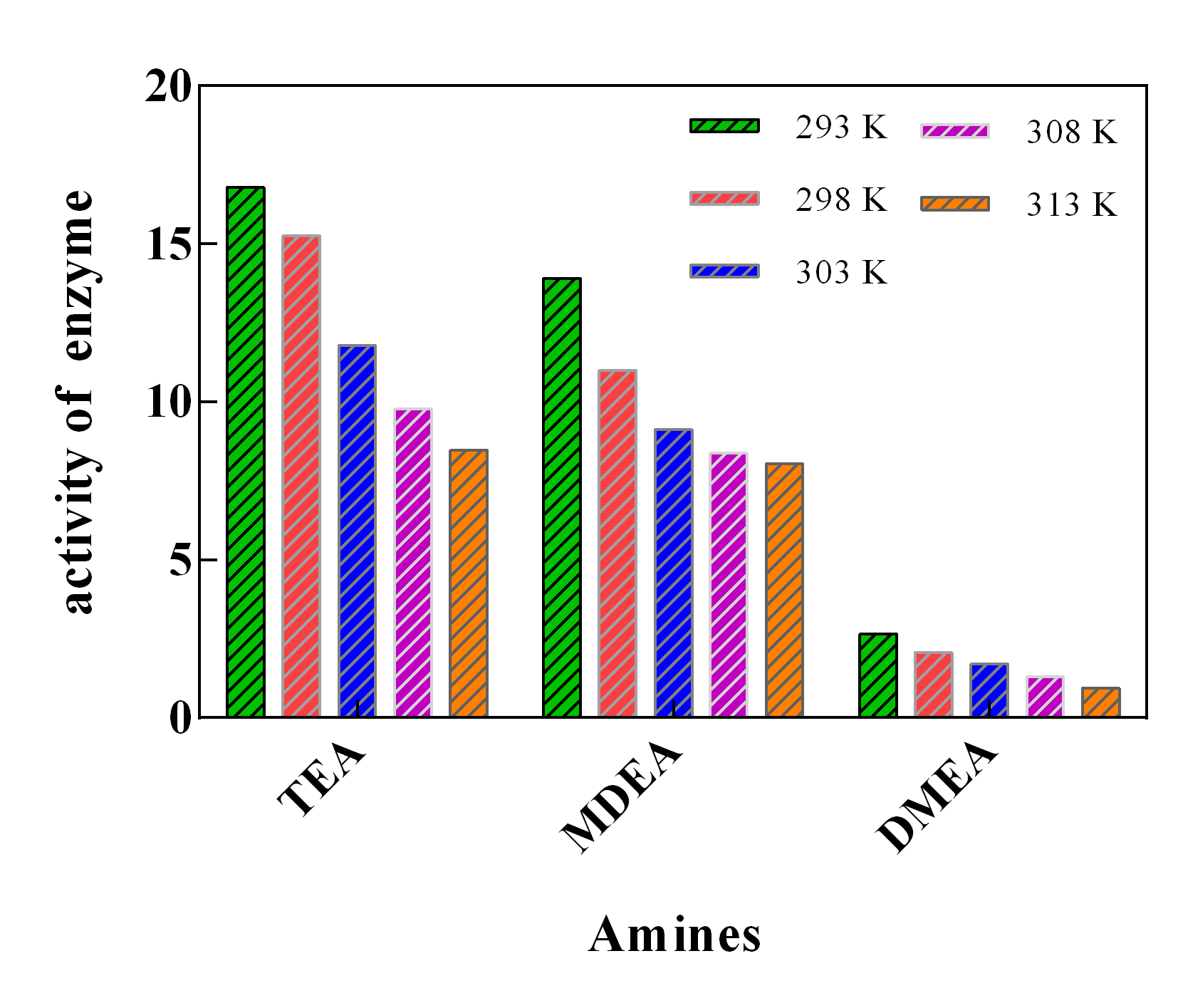
Figure 5. Comparison of enzymes activity in different aqueous amine solutions
Acknowledgment: The financial supports from the National Natural Science Foundation of China (Nos. 21476064 and 21406057), National Key Technology R&D Program (Nos. 2012BAC26B01 and2014BAC18B04), Innovative Research Team Development Plan-Ministry of Education of China (No. IRT1238), and China¡¯s State ¡°Project 985¡± in Hunan University-Novel Technology Research and Development for CO2 Capture as well as Hunan University to the Joint International Center for CO2 Capture and Storage (ICCS) is gratefully acknowledged.
References
1. Tontiwachwuthikul P, Idem R, Gelowitz D, Liang ZH, Supap T, Chan CW, et al. Recent progress and new development of post-combustion carbon-capture technology using reactive solvents. Carbon Management. 2011; 2: 261-3.
2. McCann N, Phan D, Wang X, Conway W, Burns R, Attalla M, et al. Kinetics and mechanism of carbamate formation from CO2 (aq), carbonate species, and monoethanolamine in aqueous solution. The Journal of Physical Chemistry A. 2009; 113: 5022-9.
3. Yu C-H, Huang C-H, Tan C-S. A Review of CO2 Capture by Absorption and Adsorption. Aerosol and Air Quality Research. 2012; 12: 745-69.
4. Liang ZH, Sanpasertparnich T, Tontiwachwuthikul P, Gelowitz D, Idem R. Part 1: Design, modeling and simulation of post-combustion CO2 capture systems using reactive solvents. Carbon Management. 2011; 2:265-88.
5. Reynolds AJ, Verheyen TV, Adeloju SB, Meuleman E, Feron P. Towards commercial scale postcombustion capture of CO2 with monoethanolamine solvent: key considerations for solvent management and
6. Lindskog S. Structure and mechanism of carbonic anhydrase. Pharmacology & therapeutics. 1997; 74: 1-20.
7. Lindskog S, Silverman DN. The catalytic mechanism of mammalian carbonic anhydrases. The Carbonic Anhydrases: Springer; 2000. p. 175-95.
8. Penders-van Elk NJMC, Derks PWJ, Fradette S, Versteeg GF. Kinetics of absorption of carbon dioxide in aqueous MDEA solutions with carbonic anhydrase at 298 K. International Journal of Greenhouse Gas Control. 2012; 9: 385-92.
See more of this Group/Topical: Environmental Division