
Ethane can be extracted from conventional natural gas and shale gas resources, then converted to petrochemicals such as olefins and aromatic compounds by the non-oxidative dehydro-aromatization reaction. Benzene and toluene are the targeted products in this study which can be further processed into larger components for polymers, textiles, and plastics, thus providing a stable market value for benzene and toluene. The goal of this study is to investigate catalytic performance and reaction mechanism over Mo/ZSM5 catalyst promoted with Fe and/or Zn for the conversion of ethane into aromatic compounds. The catalysts used in this study include 4%Mo-ZSM-5, 4%Mo-0.3%Fe, 4%Mo-0.3%Fe-0.3%Zn-ZSM-5, 0.3%Fe –ZSM-5 and 0.3%Zn-ZSM-5 which were prepared by incipient wetness technique and calcined at 550oC in the air. The fresh and spent catalysts were characterized by a number of analytical techniques including XRD, NH3-TPD, pyridine-FTIR, TEM, SEM, and surface area micropore analysis. Elemental surface composition was obtained from energy dispersive spectroscopic (EDS). The reaction was carried out in a fixed bed reactor where gas chromatography monitored the formation of ethylene, benzene and toluene. Thermogravimetric Analysis (TGA) and Temperature Programed Oxidation (TPO) coupled with mass spectroscopy analysis was performed on the spent samples for coke characterization. The effects of Fe and Zn promoters on the aromatics production and coke formation are elucidated. The NH3-TPD profiles [Figure 1] of the fresh catalysts revealed the correlation between promoters and surface acidity, further discussion will be made. The influence of surface acidity, especially the ratio of Lewis/ Brønsted acid sites, on the catalytic activity and deactivation behavior will also be discussed.
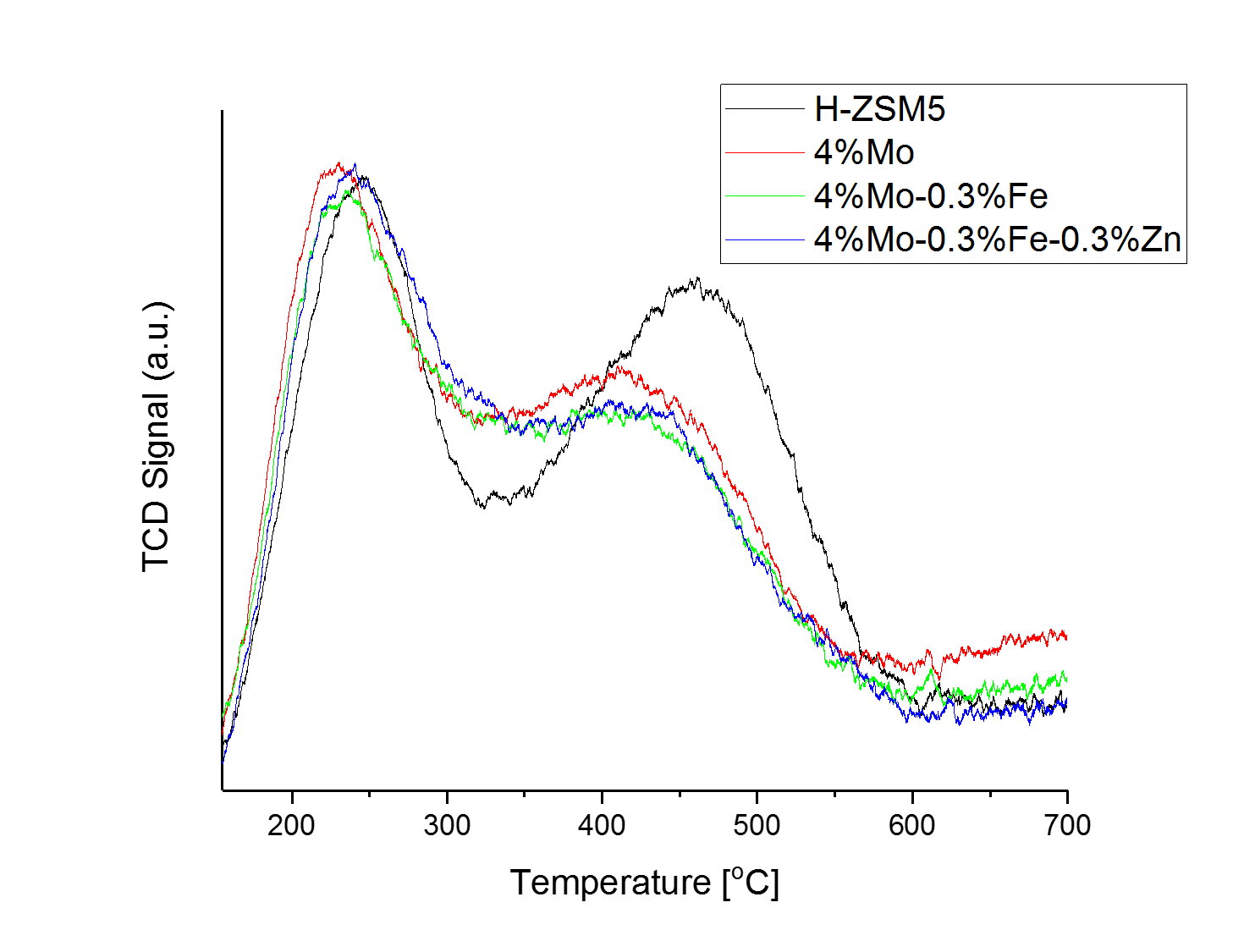
Figure 1: NH3-TPD profiles of fresh catalyst
See more of this Group/Topical: Catalysis and Reaction Engineering Division