
A Method for the Sustainable Synthesis of Carbon Fibers using Dielectrophoresis of Bacteria and Pyrolysis
Devin Keck, Monsur Islam and Rodrigo Martinez-Duarte
Mechanical Engineering Department, Clemson University
Clemson, SC, USA
Presented here are preliminary experiments facilitating the use of the cellulose-extruding bacteria Gluconoacetobacter xylinus as a sustainable tool for the production of carbon fibers. G. xylinus has the inherent ability to convert different kinds of sugars into highly crystalline cellulose nanofibrils. The random movement of the bacteria within the cellulose culture leads to a porous cellulose scaffold with no apparent order. Additionally, bacterial cellulose has higher purity and exhibits superior mechanical properties when compared to the cellulose extracted from plants[1].
Results presented in previous years focused on how the heat treatment of cellulose scaffolds functionalized with metal precursors yielded a porous tungsten carbide. Currently, we are focusing on the positioning of G. xylinus cells using Dielectrophoresis (DEP) to grow cellulose fibers from specific locations, which will then be carbonized to create individual carbon fibers. DEP refers to the movement of electrically polarized cells in response to a non-uniform electric field of specific frequency and magnitude. Specifically, positive DEP will be used here to position the G. xylinus cells onto planar electrodes. The bacteria will be perfused in a continuous flow of nutrient-rich media, allowing for the continuous extrusion of straight fibers. The ultimate goal is to develop a scalable platform for the continuous production of cellulose nanofibers that can then be converted to carbon. This would become a more sustainable alternative to current practices of cellulose production by eliminating the cost and energy required for forest management, cellulose extraction, and cellulose purification. Most importantly, it eliminates the use of oil in the production of carbon fibers.
In this work, we present the initial characterization of the response of G. xylinus to electrical stimuli of varying frequencies as well as the protocol developed to convert bacterial cellulose into carbon. The dielectrophoretic response was characterized using AC signals of 1, 5, 10, 15, and 20MHz frequencies at a constant voltage of 20 Vpp. The results indicate a positive DEP response across the spectrum of 1-20MHz with the highest trapping at a frequency in the range of 15-20 MHz (figure 1). Additional work focused on the carbonization of bacterial cellulose nanofibers. Amorphous carbon was successfully achieved (figure 3) through heat treatment of bacterial cellulose to 900 C in a nitrogen atmosphere following a 5 C/min heating ramp. A dwell time of 30 minutes at a temperature of 300 C was included in the heat treatment to facilitate the release of oxygen from the sample to prevent burning at higher temperatures. Such step is also necessary because the removal of the hydroxyl groups stabilizes the carbon polymer by producing conjugated double bonds, forming an aromatic structure [2]. An optimal heating rate was determined to be 5 C/min to achieve high carbon yield without making the process prohibitively long. Although we observed cellulose to carbonize at around 400 C, 900 C was used as the maximum temperature to ensure a high degree of carbonization [3].
Ongoing work is on characterizing the fiber properties and dimensions depending on the suspending media and its flow rate over the cells. The goal is to understand how the conditions in the microfluidic platform lead to the tailoring of the fiber properties and a maximized throughput.
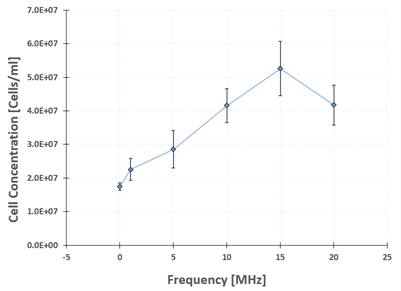
Figure 1: Characterizing the response of G. xylinus to Carbon DEP
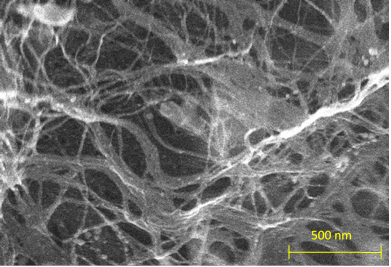
Figure 2: Carbonized Cellulose Nanofibers
References
1. Huang, Y., Zhu, C., Yang, J., Nie, Y., Chen, C., & Sun, D. (2014). Recent advances in bacterial cellulose. Cellulose, 21(1), 1-30.
2. McGrath, T. E., Chan, W. G., & Hajaligol, M. R. (2003). Low temperature mechanism for the formation of polycyclic aromatic hydrocarbons from the pyrolysis of cellulose. Journal of Analytical and Applied Pyrolysis, 66(1), 51-70.
3. Rhim, Y. R., Zhang, D., Rooney, M., Nagle, D. C., Fairbrother, D. H., Herman, C., & Drewry, D. G. (2010). Changes in the thermophysical properties of microcrystalline cellulose as function of carbonization temperature. Carbon, 48(1), 31-40.
See more of this Group/Topical: 2017 Annual Meeting of the AES Electrophoresis Society