
 Google
 Yelp
 Facebook
 Twitter
 ChEnected
295435 The Design and Revamp of Cooling Water Networks
Cooling Water Networks
G.T.Polley, M.Picon Nunez & E.Tamakloe
Dept. of Chemical Engineering, University of Guanajuato, Mexico
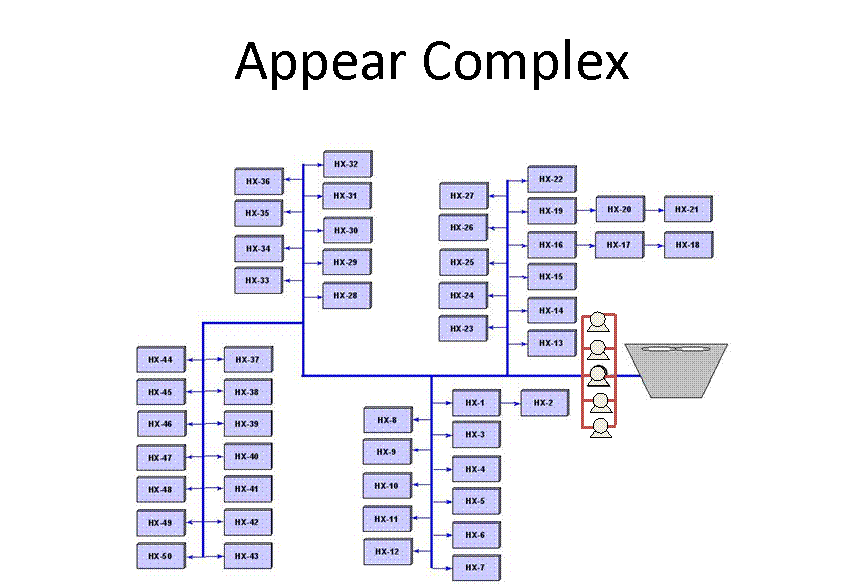
In Reality:
Simulations can be set up quickly
Analysis quite simple
Significant Benefits - power reduction, capital cost saving,
fouling mitigation
Topics: Design Principles
Flow Simulation
Design Principles
• Cooling Towers:
Individual Plants – Plant Regions – Centralized System
Packaged Units – Specialist Suppliers
Selected with future expansion in mind
Thermal Performance well modeled using E-Ntu Method
Minimum wetting required. So, system may have flow set by cooling tower rather than process plant
Maximum water return temperatures apply (function of water chemistry)
· Piping
Dominates Capital Cost
Set with allowance for plant expansion
Equations for economic pipe size
Capital Cost : diameter to power 3
Installation : again diameter to power 3
Function of Plant Layout – not use of temperature driving force
· Heat Exchanger Sizing
Must be undertaken in “system context”
Cannot arbitrarily set pressure drop or cooling water temperature rise
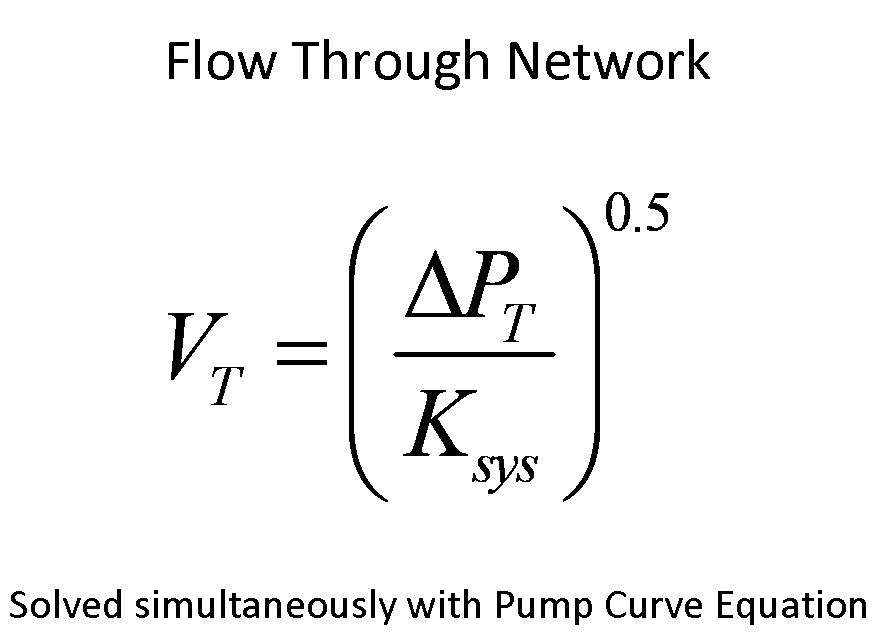
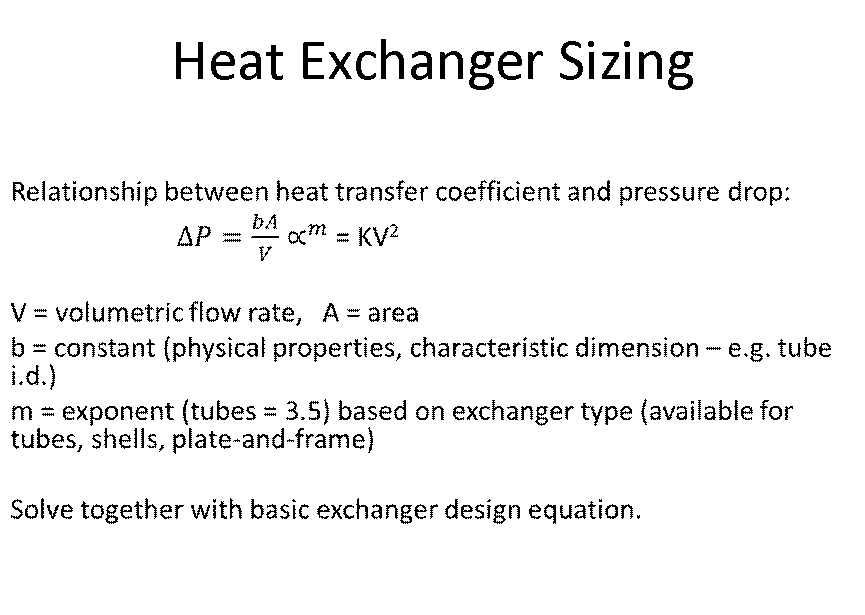
Pressure drop : function of square of volumetric throughput
FLOW SIMULATION
Components of pressure drop:
• Gravitational head
• Frictional losses
• Momentum changes
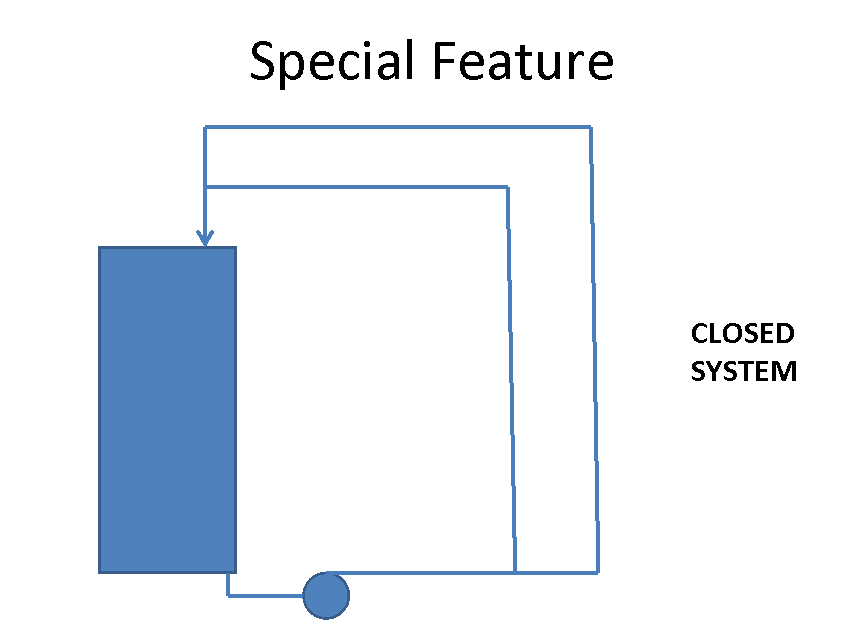
Implications:
• MOMENTUM EFFECTS INDEPENDENT OF FLOW PATH
• GRAVITATIONAL EFFECTS INDEPENDENT OF FLOW PATH (Provide flow initiated)
Gravitation
• Initiation of flow may require provision of back pressure – restriction at cooling tower return
• Vacuum can be pulled in heat exchangers – checks for vapor blocking are required
Friction
• Great advantage in using equation based on Volumetric Flow Rate rather than velocity
• Velocity can vary along specific flow path – but volume flow remains constant
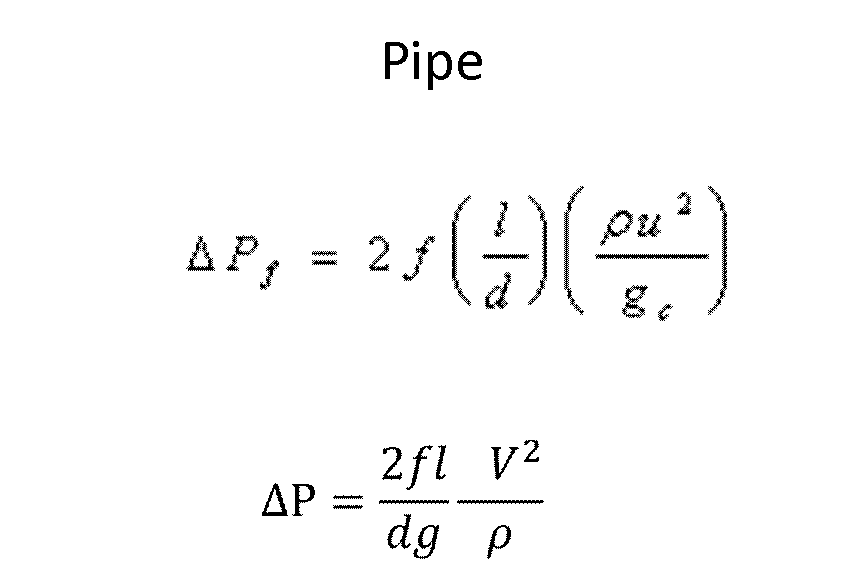
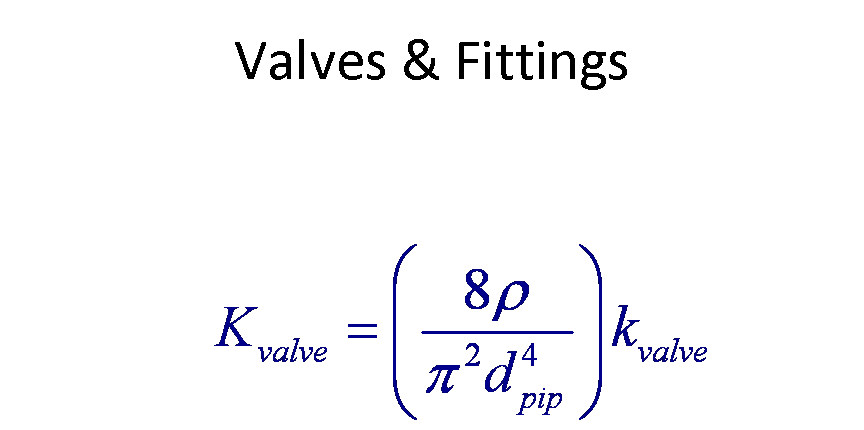
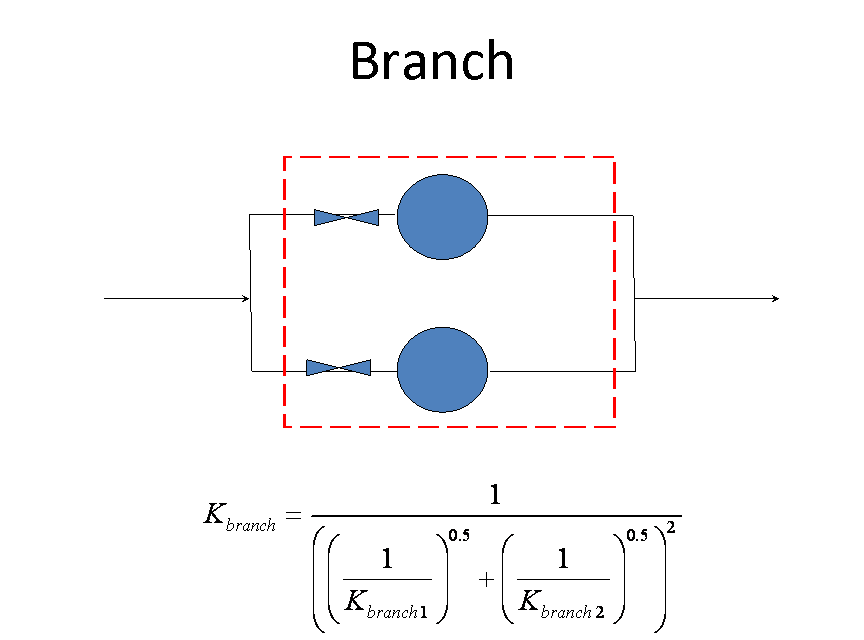
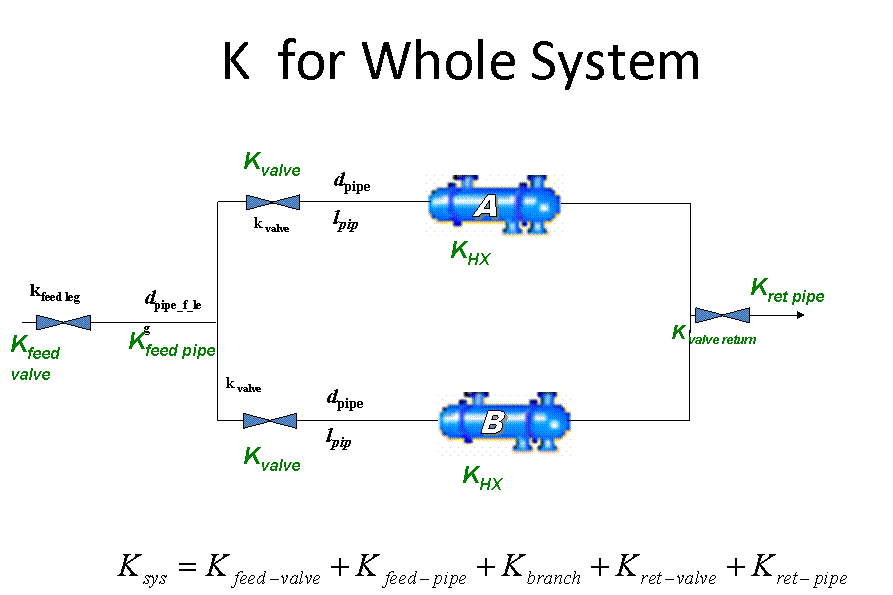
Frictional Components are additive:
Pipe + Valve + Heat Exchanger + Valve
Kleg = 2Kvalve + Kexchanger + Kpipe
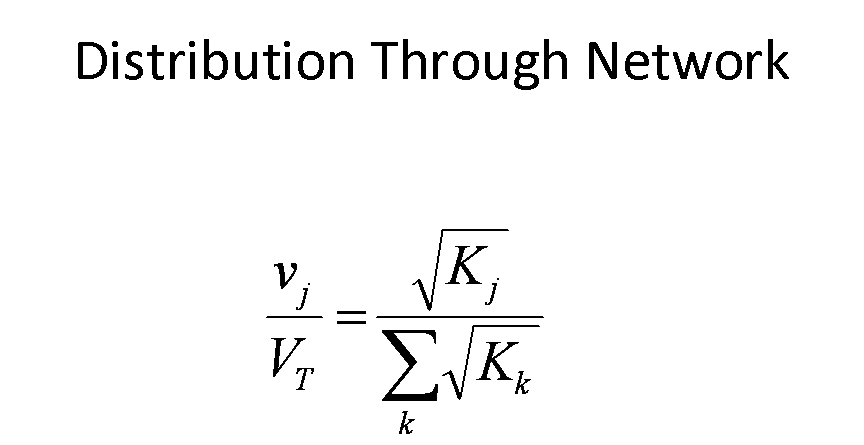
Pressure Drop Across Branches are Equal
Revamping Cooling Water Networks
Occasions arise when it is necessary to reduce load on cooling tower.
Example: installing new plant into existing factory and do not want expense of new cooling tower.
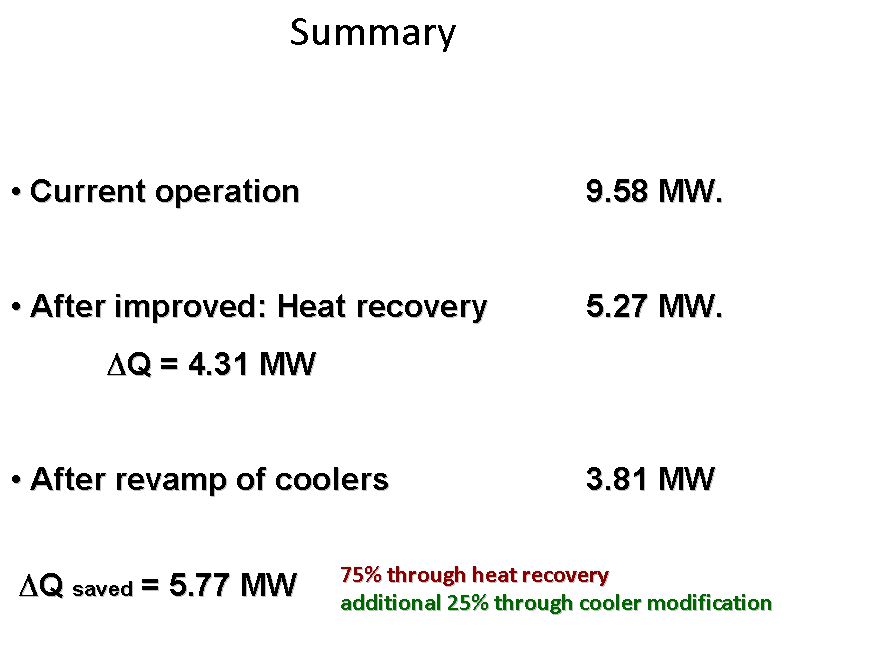
Best Option: Improve integration of plants in order to reduce demand for cooling water.
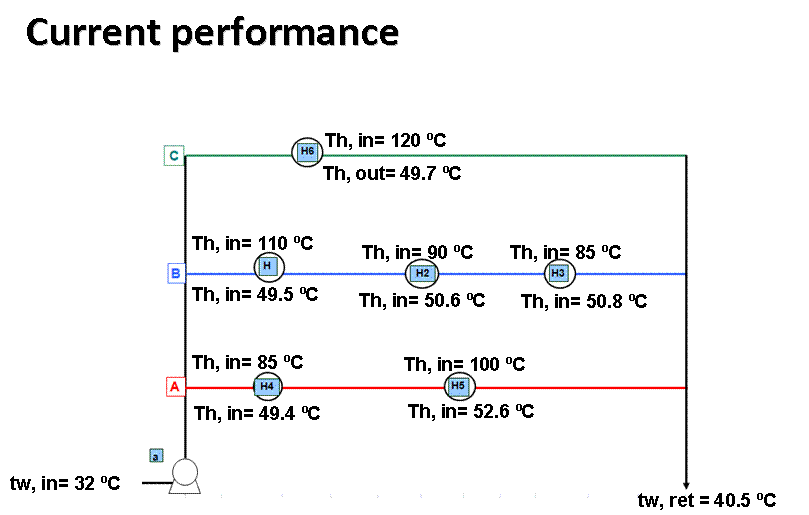
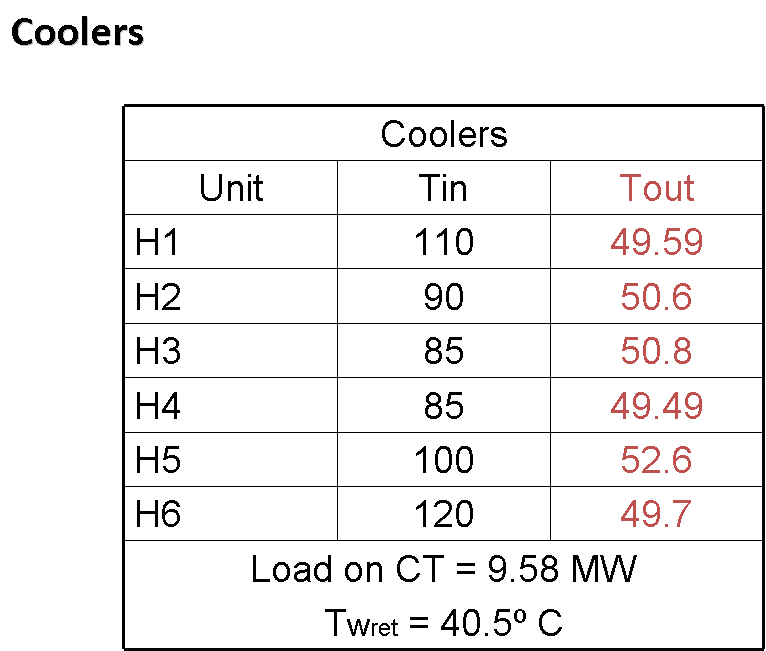
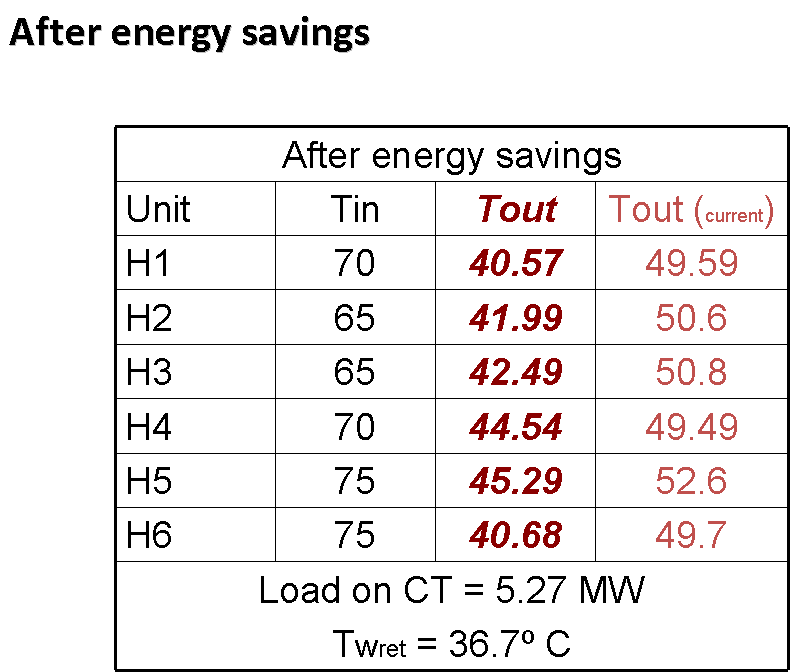
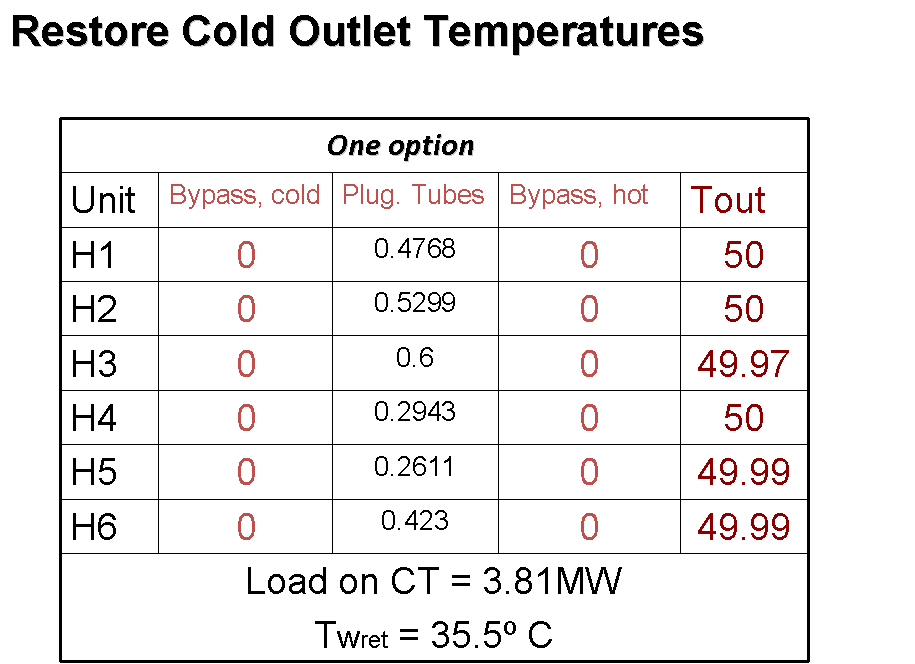
Problem: Load on existing exchangers is reduced, hot stream inlet temperature fall, outlet temperatures also fall : streams are now “over-cooled”
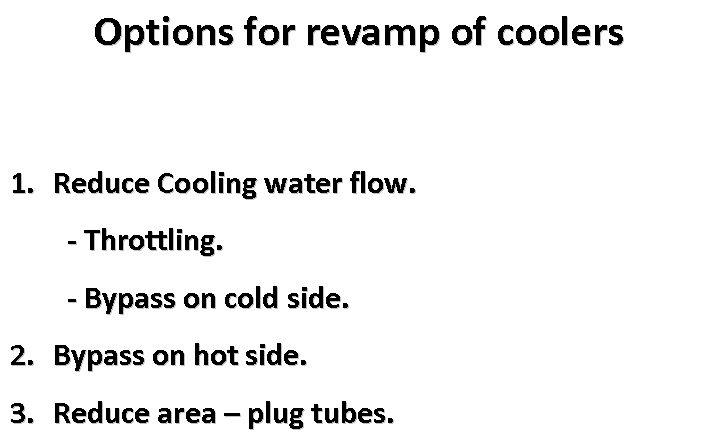
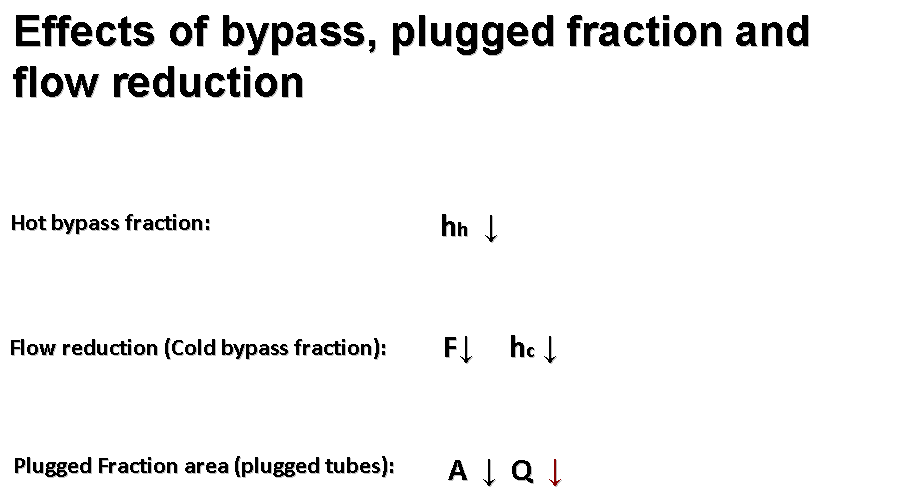
Identifying ALL Options:
See more of this Group/Topical: Topical 7: 16th Topical on Refinery Processing