The Science of Aging: Do We Need Stem Cells Any More?
Methods/Technique: Vehicles for topical use of exosomes include hyaluronic acid plus growth factors, a compounded lipophilic ointment, and direct application topped by an occlusive dressing that increases exosome contact time with the skin. Combination therapy with microneedling is most frequently used. In this pilot study, thirteen female patients ages 23-67 underwent a single microneedling treatment followed by topical application of compounded exosome balm twice a day for five days. 2D and 3D photographs were taken, and skin roughness index was measured pre-and post-treatment using the Primos topographic map index as well as linear waveform analysis. Patient followup was performed at three days, one week, one month, three months, and six months.
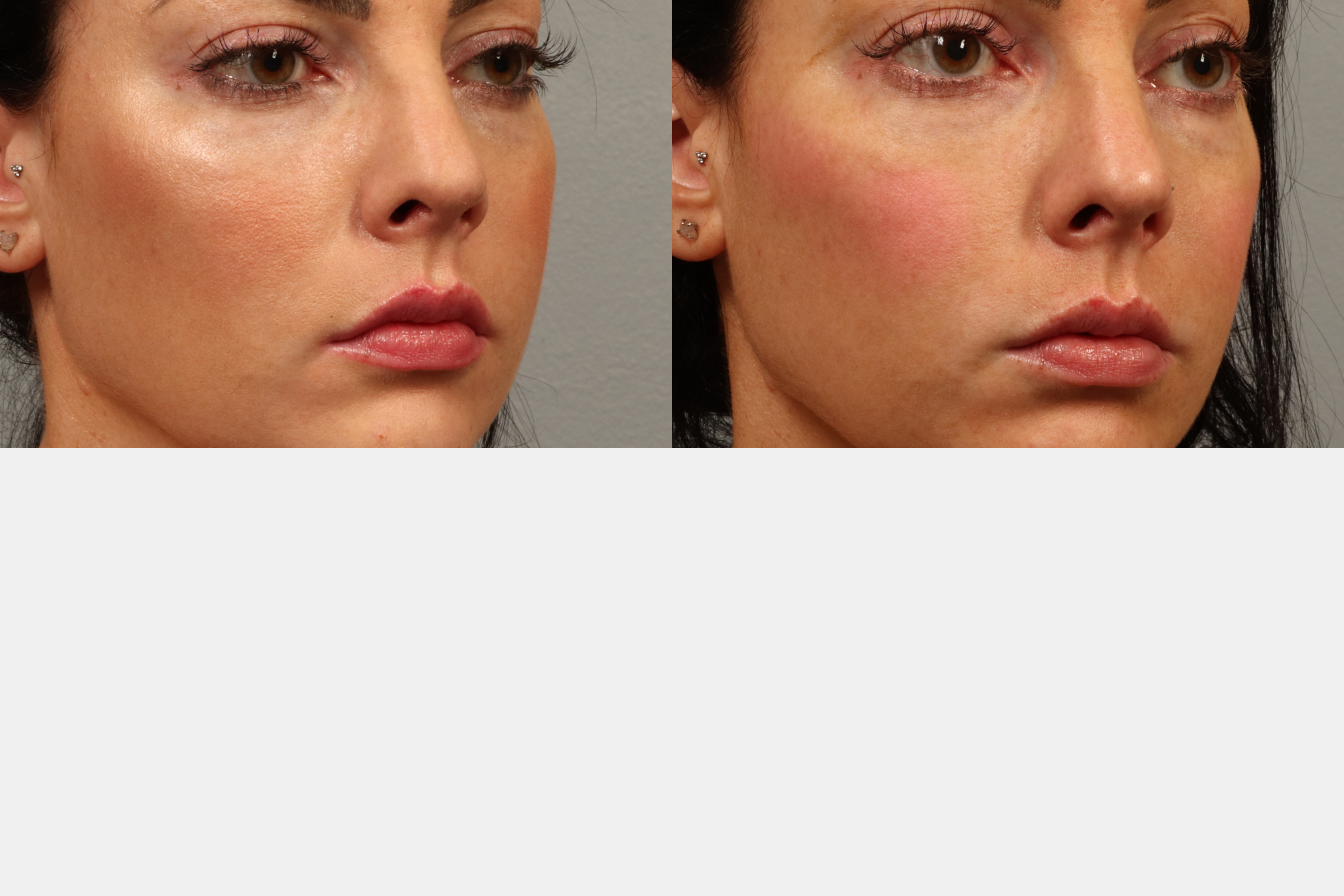
Results/Complications: All patients saw improvement in the appearance of pore size, luminosity, fine lines, and skin surface roughness. Pigmentary evenness was enhanced as early as three days post-treatment. Results persisted following a single treatment at 6 months post-treatment. No pattern marks or erythema were noted after 1.5 hours post-treatment. Patients exhibited no post-treatment sequelae at 3 days post-treatment, and noted down time of less than 24 hours. Skin surface roughness index reduction averaged 22.8% as noted on topographic map index, while linear waveform analysis mean roughness reduction was 19.3%.
Conclusion: Because of patient safety concerns and instances of charlatan use, the FDA is tightly regulating the regenerative market. However, patient interest in this area remains high. Clinical research has demonstrated that miRNA expressed within exosomes and other ligands attach to a receptor on the recipient cell, thus altering the metabolism and actions of the receiving cell through a paracrine signaling mechanism. These signals are amplified by a "homing" mechanism if inflammation in the target region is amplified. Stem cells themselves may have a relatively low engraftment rate, but the signals that drive cellular action and gene expression are driven by RNAs and other signaling agents that reside within exosomes released by stem cells in culture. Clinical outcomes with topical use are consistent and reproducible. No complications were noted. Limitations include unknown longevity of effect and possible unmet expectations.