Brazilian Breast Sculpting – Mastopexy without Implants – a Personal Approach
The study investigates a mastopexy technique that avoids the use of implants, responding to the increasing demand for more natural and safer cosmetic procedures. In recent years, there has been a marked shift in patient preferences, with many seeking to avoid foreign bodies, such as silicone implants, due to associated risks, including capsular contracture, rupture, and the need for future replacements. This study presents a personalized approach incorporating multiple techniques aimed at achieving optimal aesthetic outcomes, specifically focusing on breast contour, projection, and long-term support without the use of artificial implants.
The growing popularity of explantation surgeries, in which patients choose to remove previously placed breast implants, has highlighted the demand for alternatives that deliver natural-looking, long-lasting results. As patients increasingly seek these options, mastopexy without implants has emerged as a favorable solution. The surgical techniques used in this study include lateral and axillary breast liposuction, the Liacyr flap creation, fat grafting into the pectoralis major muscle, muscular suspension sutures, the internal bra, and subcutaneous fat grafting. Each of these techniques has been shown to contribute significantly to maintaining breast shape and projection while offering necessary support and preventing early ptosis, which can occur following traditional mastopexies.
Methods/Technique:
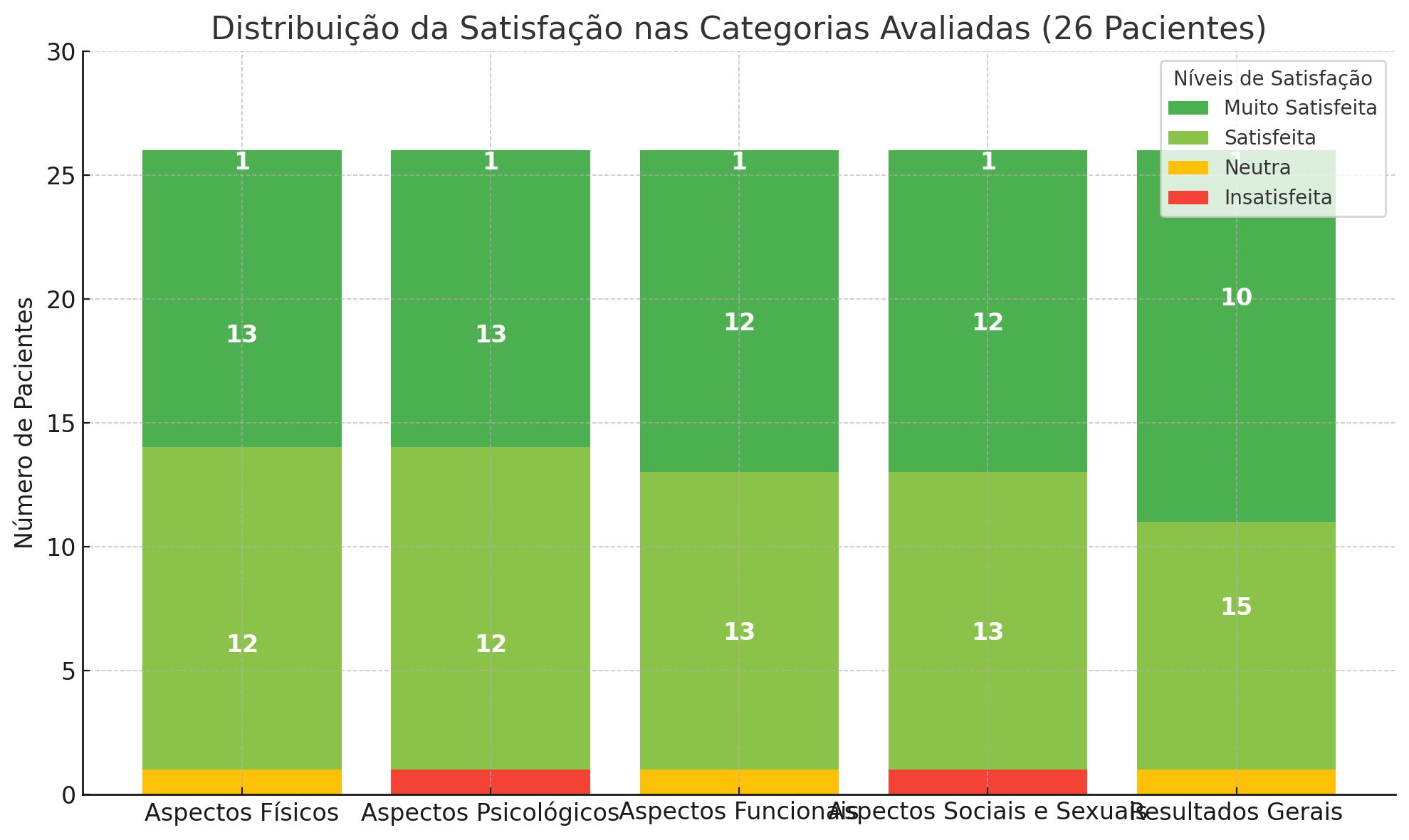
This retrospective study was conducted between January and August 2023, with 28 patients undergoing mastopexy without the use of implants. Data collection was based on medical records, standardized pre- and post-operative photography, and the Q-Breast questionnaire, a validated tool that assesses patient satisfaction across physical, psychological, functional, social, and sexual domains. All procedures were performed in hospital settings, ensuring the highest standards of safety and adherence to the ethical principles outlined in the Helsinki Declaration.
A comprehensive review of the literature emphasizes that the use of autologous flaps and fat grafting has proven effective in achieving sustainable aesthetic outcomes, without the risks typically associated with silicone implants. Previous studies also underscore the importance of techniques such as muscular suspension and the internal bra for maintaining long-term breast positioning and preventing recurrent ptosis. The current literature strongly supports the adoption of these methods as safe and efficient alternatives to implant-based mastopexies, especially for patients seeking more natural outcomes.
Results/Complications:
The study’s findings revealed an overall patient satisfaction rate of 96%. Most patients reported significant improvements in all areas assessed, particularly in terms of breast shape, consistency, and long-term maintenance of results. The follow-up period, which extended up to 12 months post-operatively, confirmed the durability of the outcomes. The complication rate was low, with only five cases of minor complications such as suture dehiscence and hypertrophic scarring, all of which were resolved without further surgical intervention. Importantly, there were no occurrences of major complications, such as hematomas requiring drainage or necrosis of the skin flaps or areolar complex.
An in-depth descriptive analysis of the Q-Breast data demonstrated that 96% of patients were either satisfied or very satisfied with the physical, psychological, functional, social, and sexual results of their mastopexy. In particular, patients noted substantial improvements in their appearance, breast symmetry, self-esteem, and mobility. Additionally, many patients reported a positive impact on their social interactions and sexual confidence.
Among the techniques employed, the Liacyr flap and intramuscular fat grafting into the pectoralis major muscle proved particularly instrumental in achieving natural breast projection without the need for implants. The integration of the internal bra and muscular suspension sutures provided critical structural support, ensuring the long-term stability of the breast contour and preventing ptosis. Furthermore, subcutaneous fat grafting enhanced the overall breast contour, correcting minor asymmetries and irregularities while providing a smooth, natural finish to the results.
Despite the numerous advantages of these techniques, certain challenges were noted. For instance, the absorption rate of grafted fat can vary from patient to patient, potentially necessitating follow-up touch-ups to maintain the desired volume and shape. Additionally, the surgical expertise required to successfully create and position the Liacyr flap is substantial, and the procedure generally requires more operating time compared to conventional mastopexies with implants. Nonetheless, the long-term benefits provided by these techniques—including superior aesthetic outcomes and a reduced risk of complications—far outweigh these challenges, making them a favorable choice for many patients.
Conclusion: Mastopexy without implants, utilizing the techniques described in this study, represents an effective and safe alternative for patients who wish to avoid silicone implants. This personalized approach has demonstrated high levels of patient satisfaction, with notable improvements in both aesthetics and functionality. The study suggests that the combination of autologous flaps, fat grafting, and muscular support can provide a viable solution for correcting breast ptosis, particularly in patients who have previously undergone explant surgery.
Looking ahead, future studies are recommended to further explore the long-term durability of these results and to develop new techniques aimed at maximizing fat graft retention, thereby enhancing the overall safety and efficacy of implant-free mastopexy.